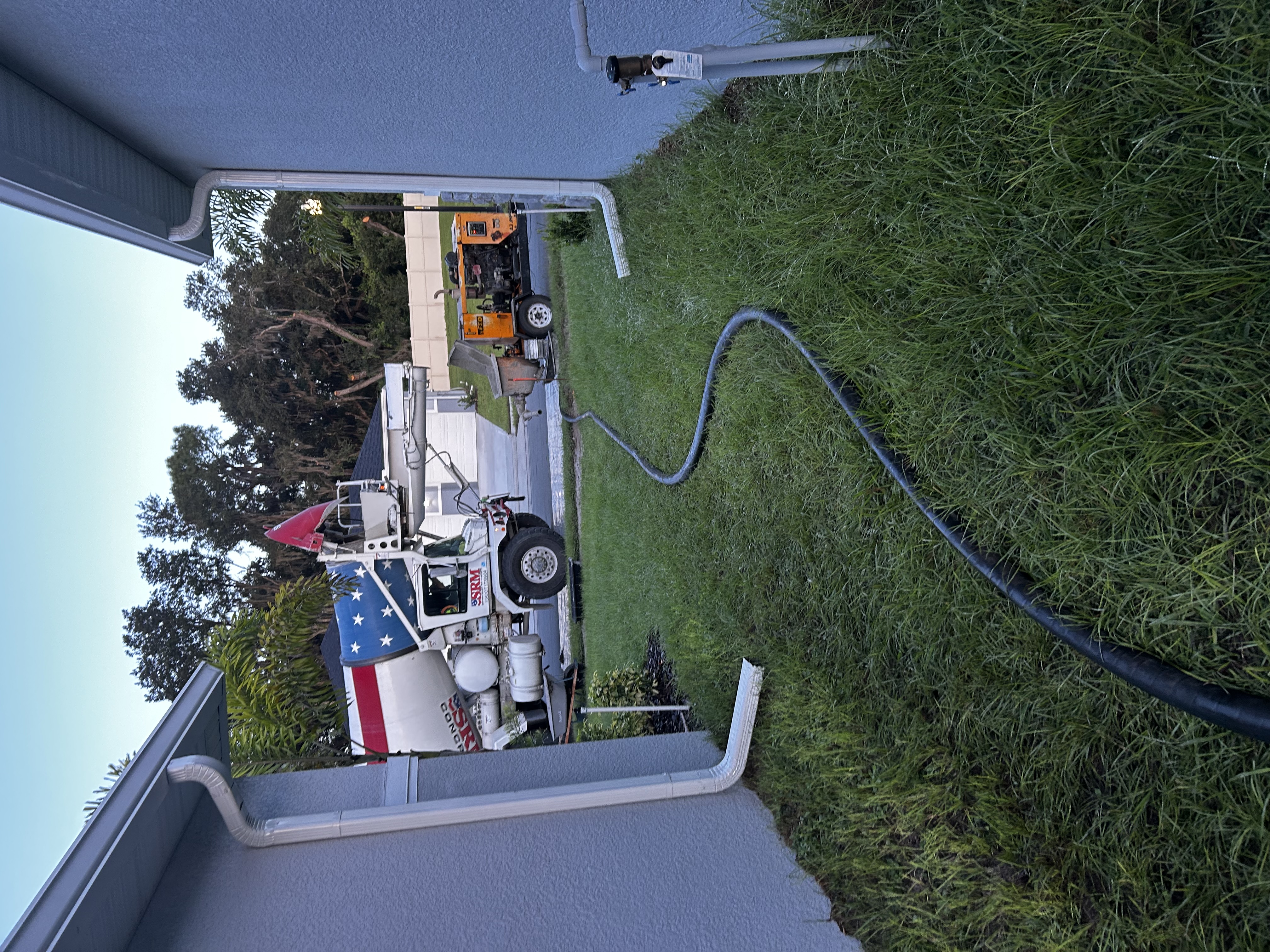
The Role of Concrete in Resilient Infrastructure Development Apr 01, 2026
Concrete offers unparalleled strength and durability, making it an ideal choice for structures that need to endure harsh environmental conditions and the test of time. Its inherent resistance to natural disasters such as earthquakes, floods, and hurricanes makes it the backbone of resilient urban planning. Properly designed concrete structures can help mitigate the devastating impact of such disasters, reducing economic losses and saving lives.
One of the most significant benefits of using concrete in infrastructure projects is its adaptability. Engineers and architects can enhance concrete's performance by incorporating high-performance mixes and supplementary materials, such as fly ash or slag, which not only improve strength but also contribute to sustainability. By reducing the reliance on virgin materials, these alternatives lower the carbon footprint of construction projects, aligning with modern environmental goals.
Concrete's versatility also extends to its use in a variety of applications—from building foundations and roadways to dams and bridges. Its ability to be molded into any shape makes it especially valuable for innovative architectural designs and functional infrastructure solutions. At Cornerstone Concrete Solutions LLC, we prioritize using methods that amplify these attributes, ensuring that every project we undertake meets the highest standards of resilience and sustainability.
Another key advantage of concrete in resilient infrastructure is its low maintenance requirements. Unlike other materials that degrade over time or demand frequent repairs, concrete structures are designed to last decades with minimal upkeep. This longevity translates into cost savings over the lifespan of a project, which is an important consideration for budget-constrained governmental and private entities tasked with maintaining extensive infrastructure networks.
Furthermore, concrete's thermal mass contributes to energy efficiency in buildings, reducing the need for artificial heating and cooling systems. By naturally regulating indoor temperatures, concrete can lower energy consumption, leading to significant savings on utility bills and a decrease in greenhouse gas emissions.
While the advantages of concrete are clear, the role of craftsmanship is equally crucial. At Cornerstone Concrete Solutions LLC, our skilled professionals ensure precision in every pour, emphasizing quality control to prevent common issues like cracking or spalling, which can undermine a structure's resilience.
In the realm of resilient infrastructure development, concrete is more than just a building material—it is a key player in constructing a sustainable future. Through innovation, strategic application, and dedication to quality, concrete allows us to meet the demands of modern infrastructure while safeguarding our communities against the uncertainties of the future.
By engaging in well-informed discussions about the strategic use of concrete, stakeholders can better prepare for the challenges posed by climate change and urbanization. Cornerstone Concrete Solutions LLC is committed to leading the way in creating strong, sustainable structures that stand the test of time, contributing to a resilient and thriving world.
/filters:no_upscale()/filters:format(webp)/media/b0856eb6-f861-484b-a471-4899637960c4.jpeg)